“I heard you can get diet pills in Korea.” The sentence sounds simple, and it hides several very different things.
ONE PHRASE, THREE THINGS
What do people mean by “Korean diet pills”?
In Korea, the phrase gets used for at least three kinds of product, each made, prescribed and regulated in its own way.
Appetite-suppressing drugs prescribed at medical clinics, under the rules for conventional pharmaceuticals.
Products sold online or in shops as health foods, taken without a consultation.
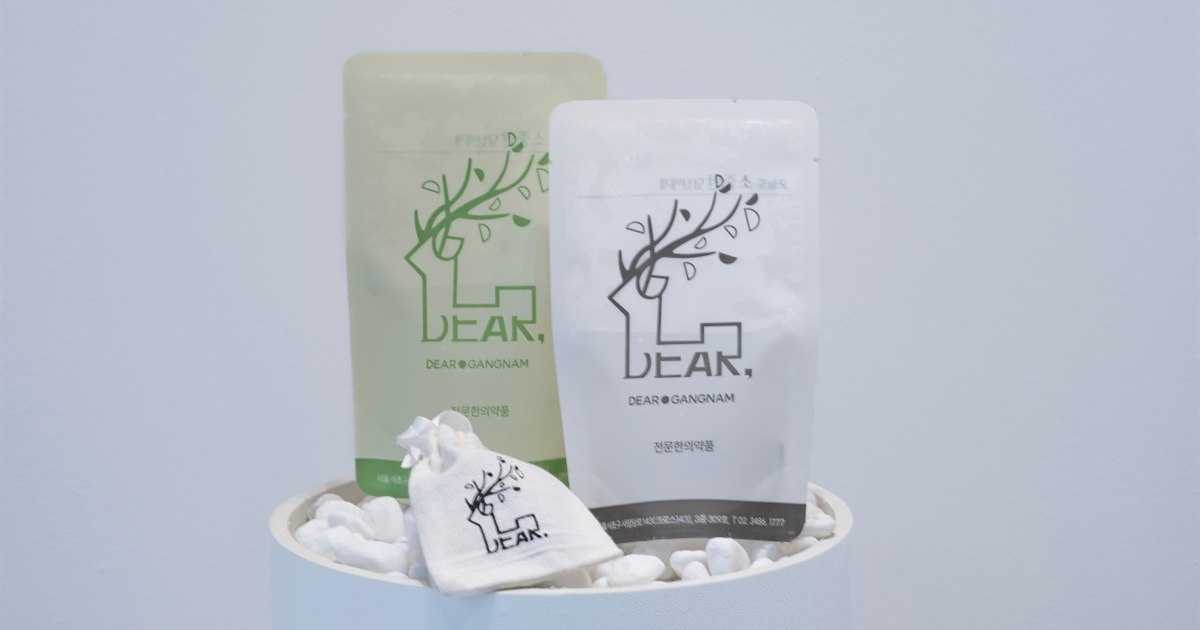
Prescribed after an examination. At DEAR, this is the only one we offer, and only as a decoction made in the clinic.
They are not interchangeable. Know which one you are being offered before you start.
AT DEAR
What happens at your first visit?
- A consultation with me
Your goal, when the weight started to change, what you have tried, and what made it hard.
- Six things, not one
Appetite, sleep, digestion, swelling, bowel habits and daily rhythm, alongside your weight.
- Measurements
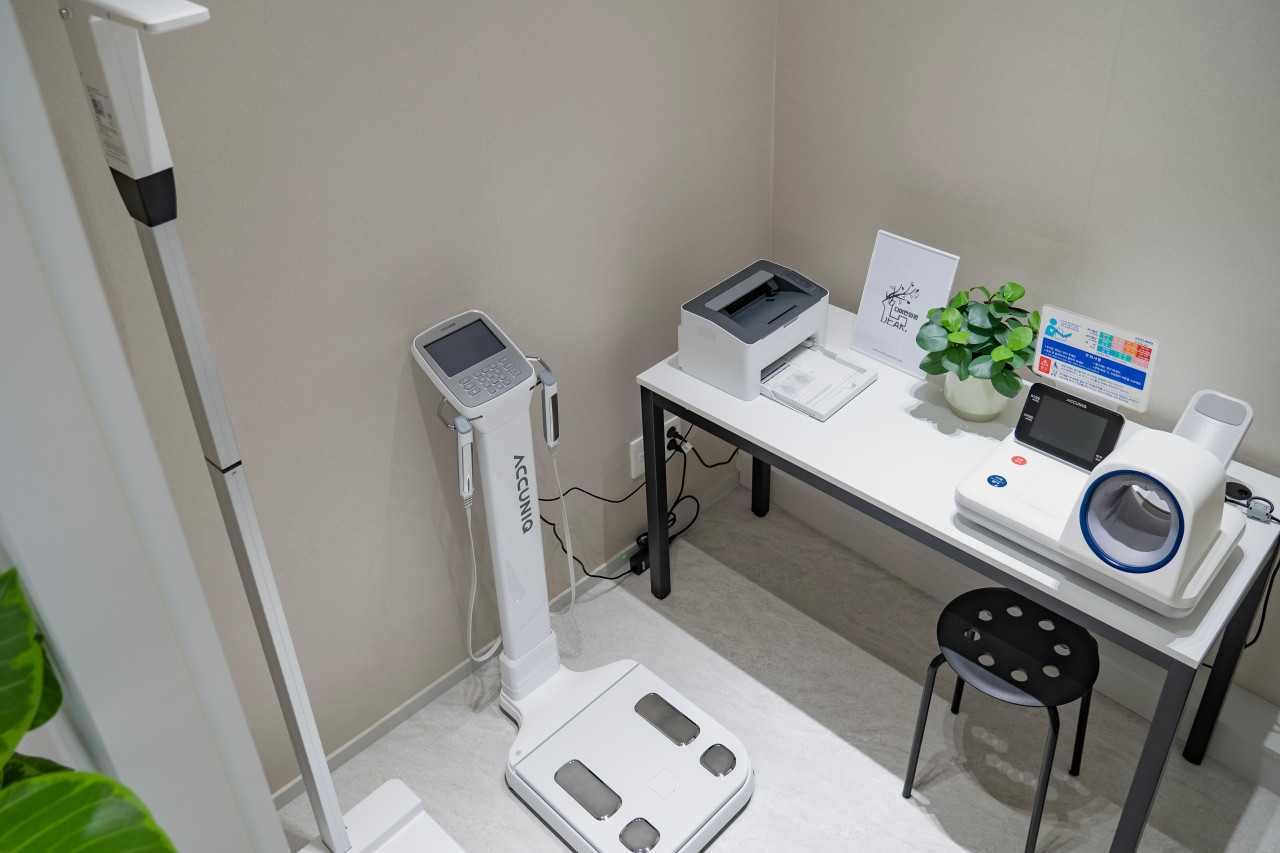
Body composition, height and blood pressure, taken the same way each visit so the trend means something.
- Your prescription
A decoction made in our clinic, reviewed about every two weeks.
CASE
What does progress look like on paper?
34.8 kg lighter, and most of it was fat
One patient · BE DEER, body composition recorded at every visit
Body fat 51.2 kg and visceral fat area 200 cm², all in the high range.
BE DEER treatment with follow-up visits, where body composition was recorded again under the same conditions and the plan reviewed.
Body fat 23.8 kg. Visceral fat area 57 cm², down by more than two thirds. Next comes a plan to keep it there.
Identifying details have been removed. This describes one patient’s course; results differ from person to person.
Read what patients say about DEAR
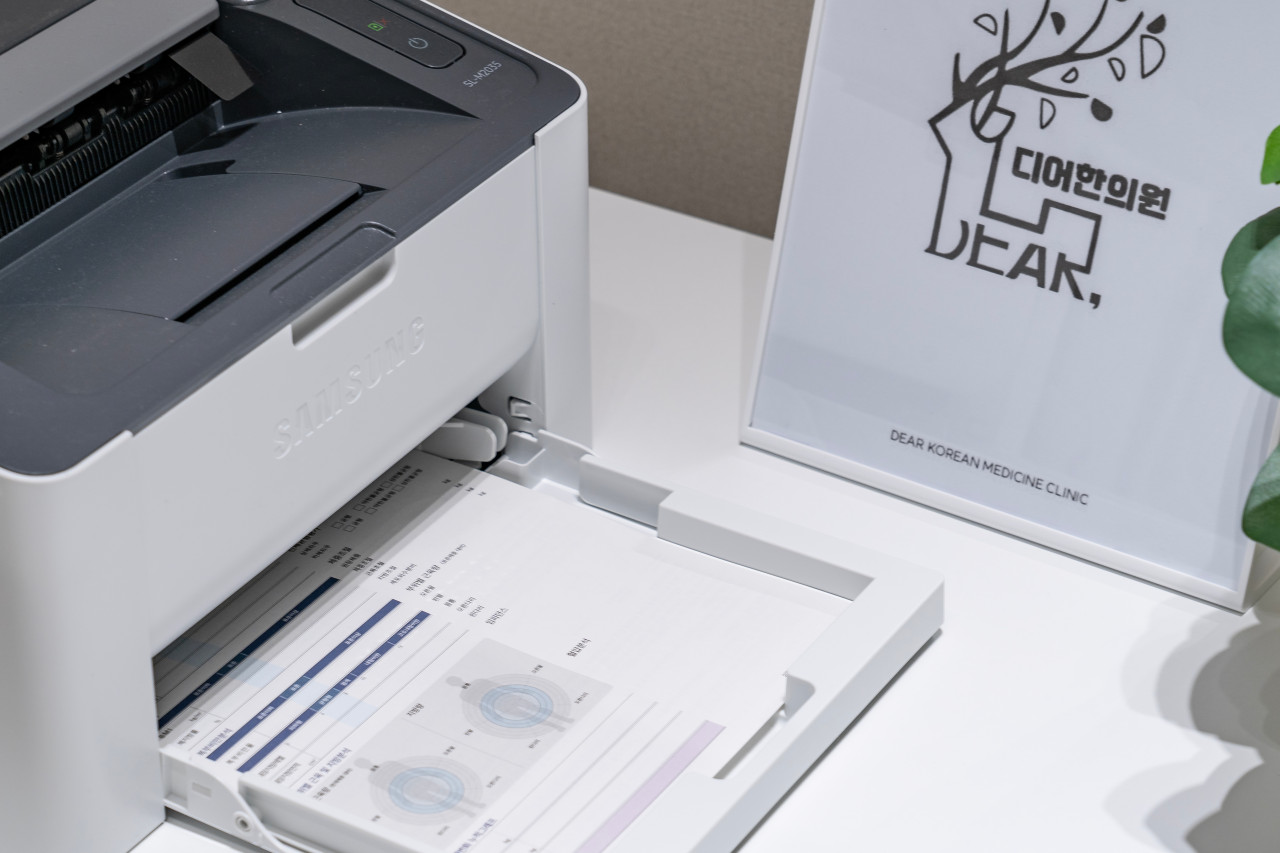
The weight is the biggest number on the report. The lines I read first are underneath it: body fat, and the visceral fat area, the fat around the organs that matters most for blood pressure, blood sugar and the liver.
A body composition reading shifts with water and with how you were measured, so one reading means little. I compare readings taken under the same conditions, visit after visit.
RULE ONE
Why don’t I ask you to starve?
Because the body keeps score. When weight comes off fast through very little food, the body does not simply accept the new number; it pushes back, and in the studies below the push lasted for years.
Contestants who had lost an average of 58 kg were burning markedly fewer calories at rest than their body size predicted, even six years later.
Hormones that drive hunger had not returned to where they started, and people reported feeling hungrier than before they began.
Adequate protein and exercise, especially resistance training, help protect it during weight loss.
Put those together and the pattern behind so many rebounds is not weak willpower. A crash diet sets up a body that burns less and wants more, then leaves you to face it alone. So I aim for a pace you can eat through, and I plan for the months after the last pouch from the very first visit.
ONE NUMBER, SEVERAL THINGS
Why does the scale not move after three careful days?
The number on the scale is a sum. It includes fat, but also water, stored carbohydrate (glycogen), which holds water with it, and whatever is still in your gut. Over a few days, those last three can move by more than the fat does.
That is why two kilos after a long weekend is mostly not fat, and why three days of eating less can leave the scale exactly where it was. When someone tells me the scale has not moved, I look at the trend over weeks and at body composition before deciding whether anything is actually stuck.
TIMING
When does your hunger get loud?
“I’m fine all day, then I open a delivery app at 11 PM.” Evening eating is rarely only about willpower. I ask when the hunger arrives and what came before it: a long gap since lunch, a late dinner, a short night, a stressful week, or the days before a period.
Skipped, or eaten on the way?
Reaching for something sweet?
A dinner that becomes two?
Hunger, or just awake and tired?
An example of the questions, not a diagnosis.
The answer changes the plan. If hunger peaks at a predictable hour, I adjust the gaps between meals and your sleep before touching the menu. Appetite, sleep, digestion, swelling and bowel habits are all things I check again at every follow-up, not only your weight.
MOVEMENT
What about muscle?
I have spent years studying how the body moves: I am trained in exercise prescription and muscle science, and I am a qualified Pilates and yoga instructor. It shapes how I think about weight loss. Losing weight while losing a lot of muscle is a poor trade, because muscle is what keeps you strong and active as the numbers come down.
So the plan includes enough protein, carbohydrates in sensible amounts rather than none, and movement that fits your week. Half the plate vegetables and fruit, the other half protein and whole grains or starchy foods, is a simple place to start. Skipping dinner because you had cookies in the afternoon is the kind of trade I will talk you out of.
TWO KINDS OF HEAVY
Is it fat, or is it swelling?
“I always feel puffy and heavy.” Gaining fat and holding fluid can show up as the same number on the scale, and they are different problems. One builds slowly over months; the other can come and go within a day.
So I ask where the swelling shows, in the face, the hands or the legs, and at what time: puffy on waking and fine by lunch, or tight shoes by evening. I look at digestion and bowel habits alongside it, and at the body water figures on the body composition report. Separating the two keeps the plan aimed at the right problem.
EVERYDAY ACTIVITY
No time for the gym?
Exercise is only part of the energy you use in a day. Walking to the station, taking the stairs, standing to take a call, carrying the shopping home: this everyday, non-exercise activity adds up, and in a city like Seoul there is a lot of it to work with.
When someone tells me they are too busy to exercise and too tired to follow a diet, I start there rather than with a training plan: how you sleep and recover, how much you move on an ordinary day, and where you eat. The priorities come from that, and they are small changes to an ordinary day.
HEALTH, NOT ONLY WEIGHT
Why do I look past your BMI?
BMI is a weight divided by a height. Two people with the same BMI can carry their fat very differently, and it is the fat around the organs, the visceral fat on the report, that is most closely tied to blood pressure, blood sugar and the liver.
So the goal is set from more than one number: abdominal fat and body composition, your blood pressure, any blood sugar and cholesterol results you already have, your family history, and the medicines you take. Bring your latest health check-up if you have one. It often changes which target comes first.
THE PRESCRIPTION
Why a decoction, and why every two weeks?
A decoction is written for you: which herbs, in what amounts, based on what I found at the consultation, and it can be changed at the next visit if your appetite, sleep or digestion respond differently from what I expected.
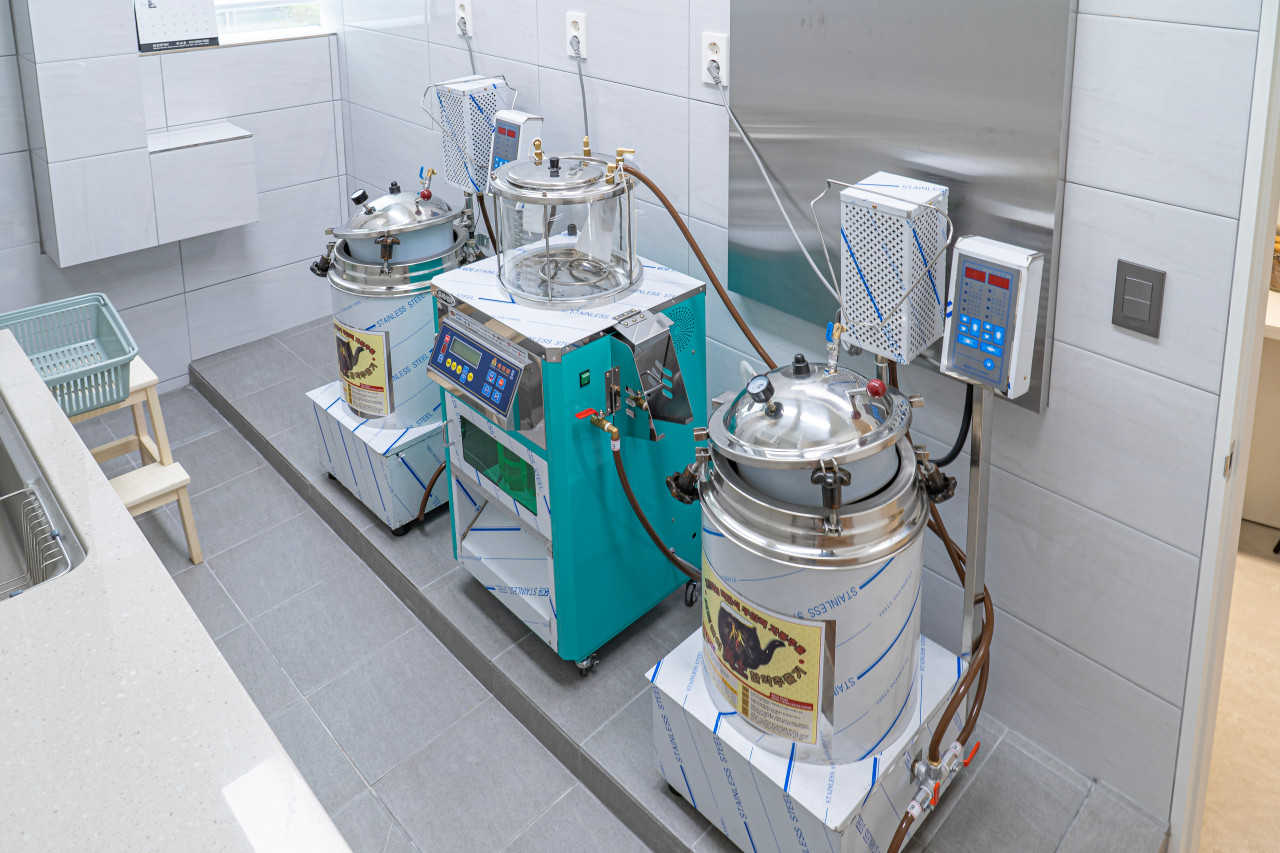
At DEAR the decoction is made in our own clinic, from Korean-grown herbs that meet the Ministry of Food and Drug Safety standard for herbal medicines. I prescribe for about fifteen days at a time and review before the next batch. Tell me every medicine and supplement you take, and any condition you are treated for; that is part of how the prescription is written.
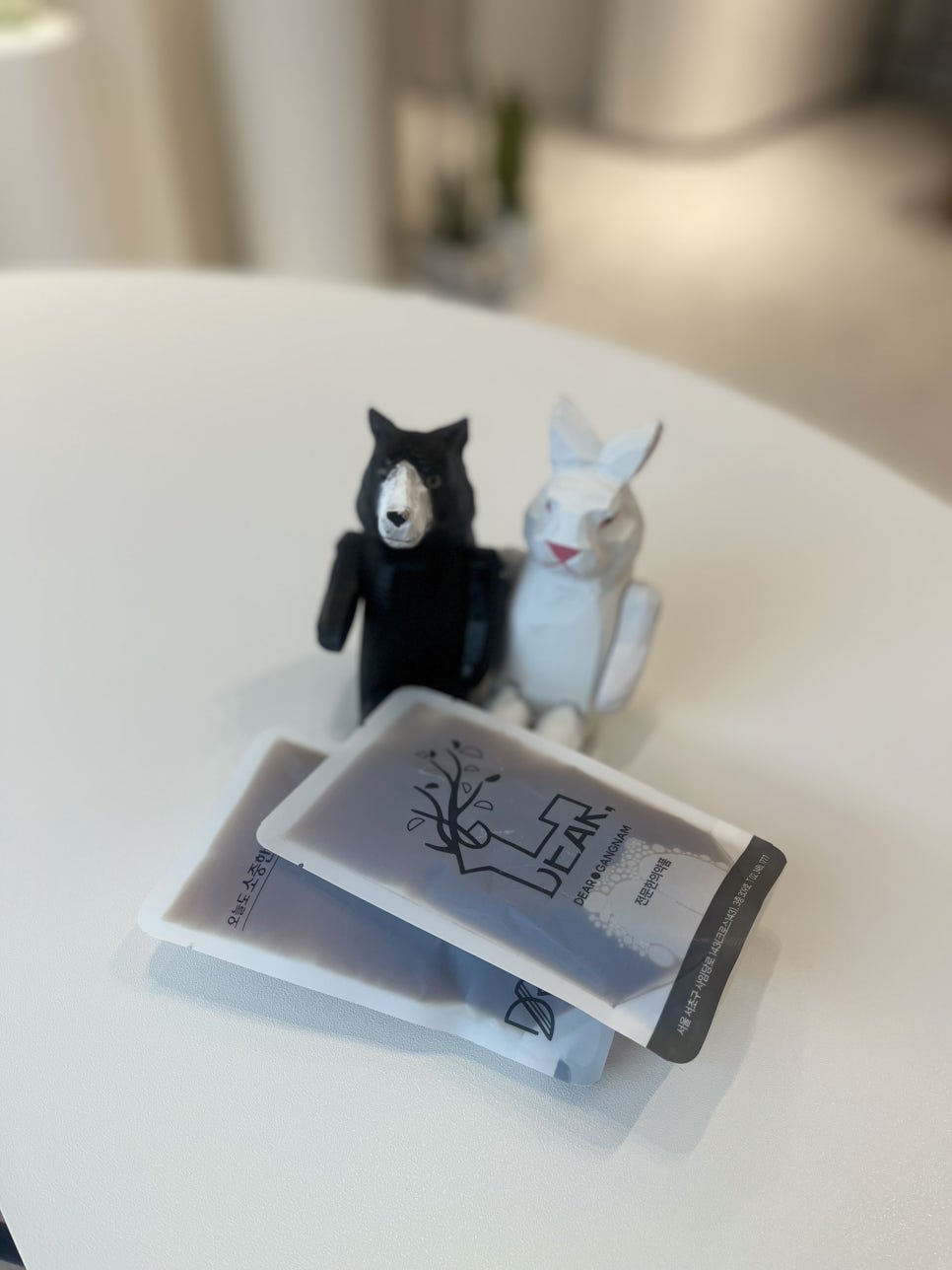
BE DEER runs in one-month and three-month programs. Either way, the review every two weeks is where the plan is actually made, adjusted and, when the time comes, brought to an end.
MAINTENANCE
What happens after the last pouch?
Stopping is planned, not something that simply happens when the pouches run out. While the weight comes down I watch whether your appetite and portion sizes settle, whether late-night eating and sweet drinks fade, and whether meals feel easy to keep up. Those are the signs that you are ready to finish, and they are what keeps the weight where it is afterwards.
If your weight has been creeping up since you moved to Seoul, or you have tried a diet that worked until it didn’t, message us. I will see you myself, in English, and we will start from what your body and your week actually look like.
DEAR KOREAN MEDICINE CLINIC
About a 10-minute walk from Gangnam Station Exit 5 · +82-2-3486-1777
- Mon·Tue·Wed·Fri10:00–20:00
- Lunch13:00–14:00
- Thu14:00–20:00
- Sat10:00–15:00
- SunClosed
FAQ
Frequently asked questions
Do I have to cut out carbohydrates?
No. Carbohydrates in sensible amounts stay in your meals, with enough protein and movement that fits your week. I do not use meal-replacement shakes or ask you to starve.
How often do I come in?
About every two weeks. I prescribe roughly fifteen days at a time and review your body composition, appetite, sleep and digestion before the next prescription.
Is the herbal medicine made in the clinic?
Yes. Your decoction is made in our own clinic from Korean-grown herbs that meet the Ministry of Food and Drug Safety standard for herbal medicines.
Can I have my consultation in English?
Yes. Director Minji Kim consults directly in English, Japanese and Chinese, so you won’t need an interpreter.
How do I book?
Appointments are given priority, so we recommend booking before your visit. The most reliable way is an Instagram DM to @dearhani__, or you can call us at +82-2-3486-1777.
Sources
- Fothergill E, et al. Persistent metabolic adaptation 6 years after “The Biggest Loser” competition. Obesity (Silver Spring). 2016;24(8):1612–1619.
- Sumithran P, et al. Long-term persistence of hormonal adaptations to weight loss. N Engl J Med. 2011;365(17):1597–1604.
- Cava E, Yeat NC, Mittendorfer B. Preserving healthy muscle during weight loss. Adv Nutr. 2017;8(3):511–519.
This article provides general health information and does not replace an individual diagnosis or treatment. Results differ from person to person.