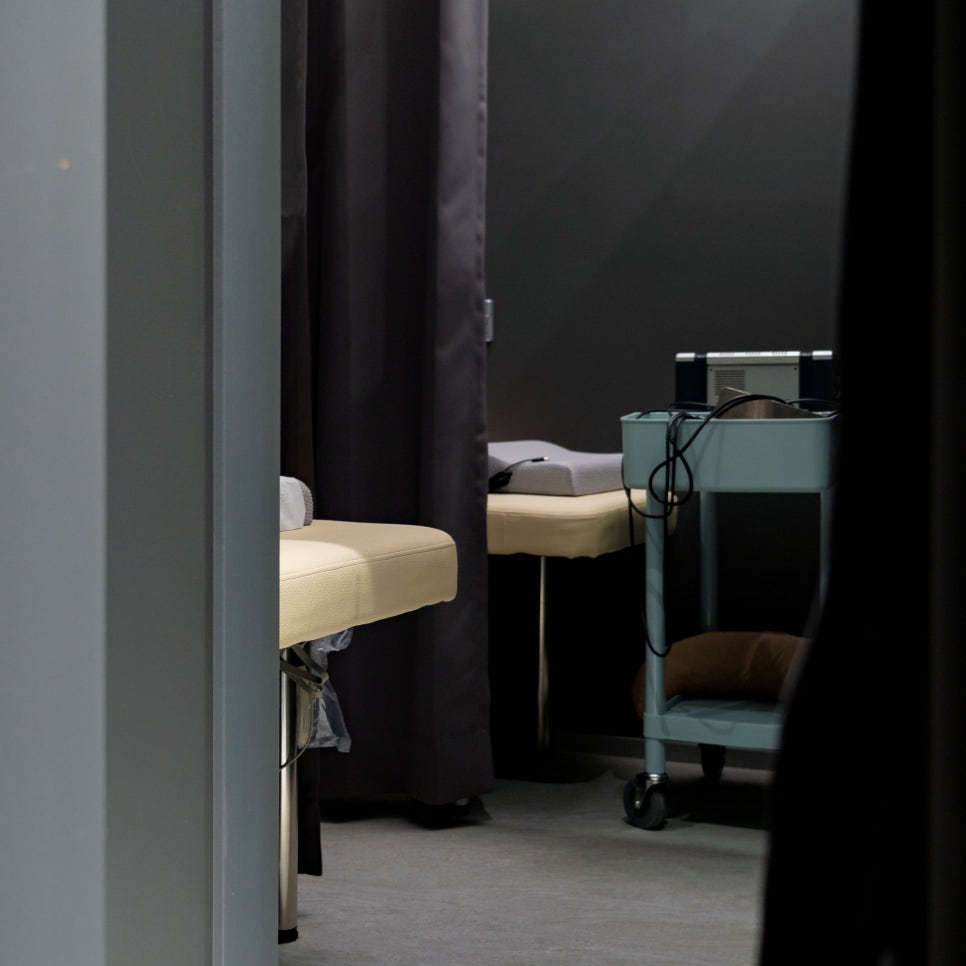
A face has dozens of small muscles, and a single smile moves about seventeen of them. Years of the same expressions, chewing on one side or resting a chin on one hand leave some of those muscles working harder than others. Tone, firmness and symmetry all follow from that.
Facial acupuncture places very fine needles into those muscles and nearby points, to stimulate blood flow in the small vessels of the face and to let over-worked muscles relax. The needles come out at the end of the session.
AT DEAR
What happens during a visit?
- A consultation with me
In English. I look at your symmetry, the muscles you use most and where tension builds, and ask what bothers you.
- Gentle electrical stimulation
A fine electrical current over the whole face, before any needle.
- Facial acupuncture
Needles made for the face, different in length, thickness and material from those used on the back. In a quiet private or two-bed room.
- Only what you need
Cupping, smoke-free moxibustion, pharmacopuncture or thread embedding when useful, then a calming mask and LED light.
I see every patient myself, at the first visit and at every follow-up. There is no coordinator between us, because the person deciding where the needles go should be the person who heard what you want.
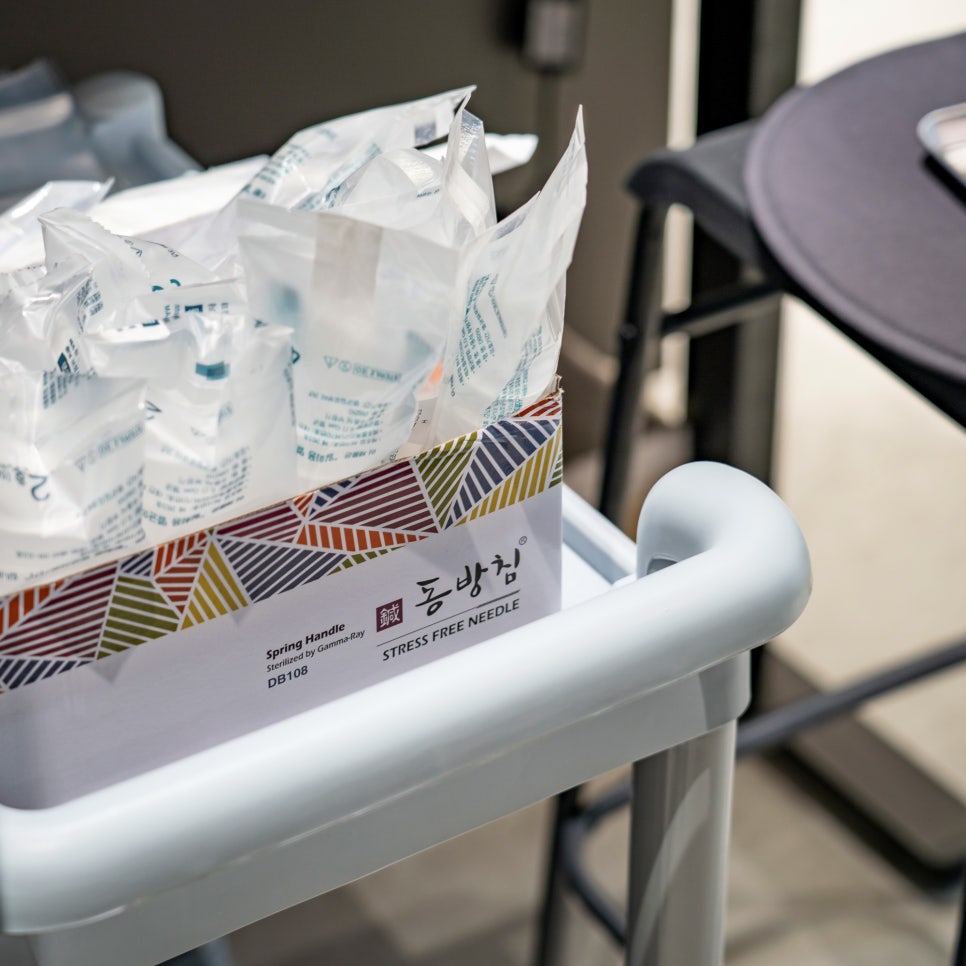
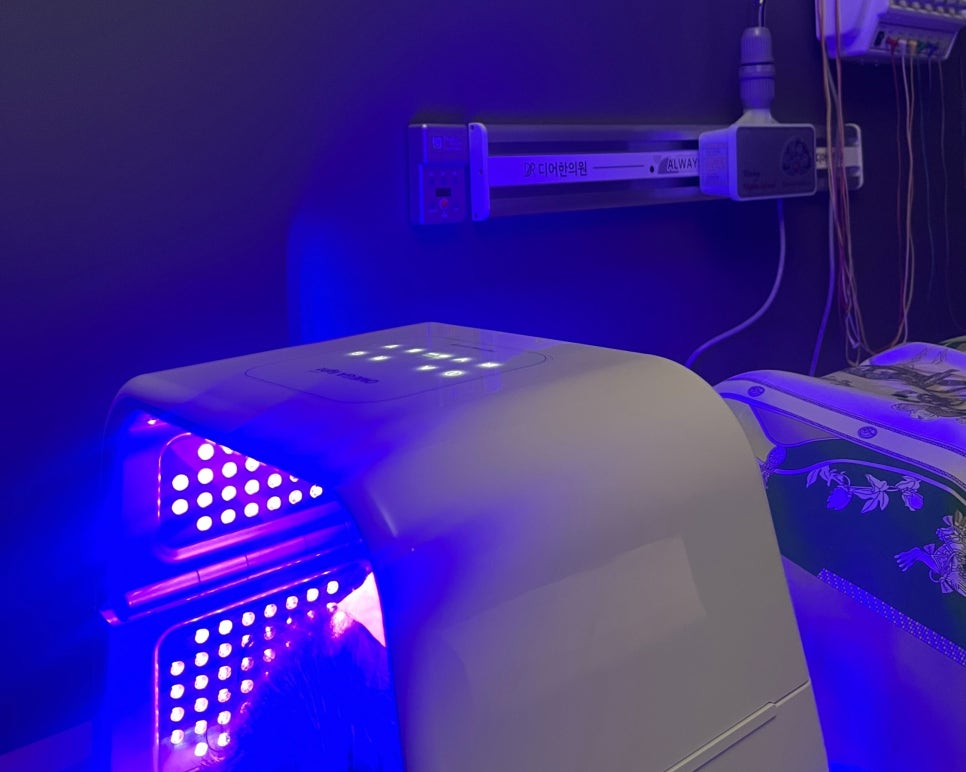
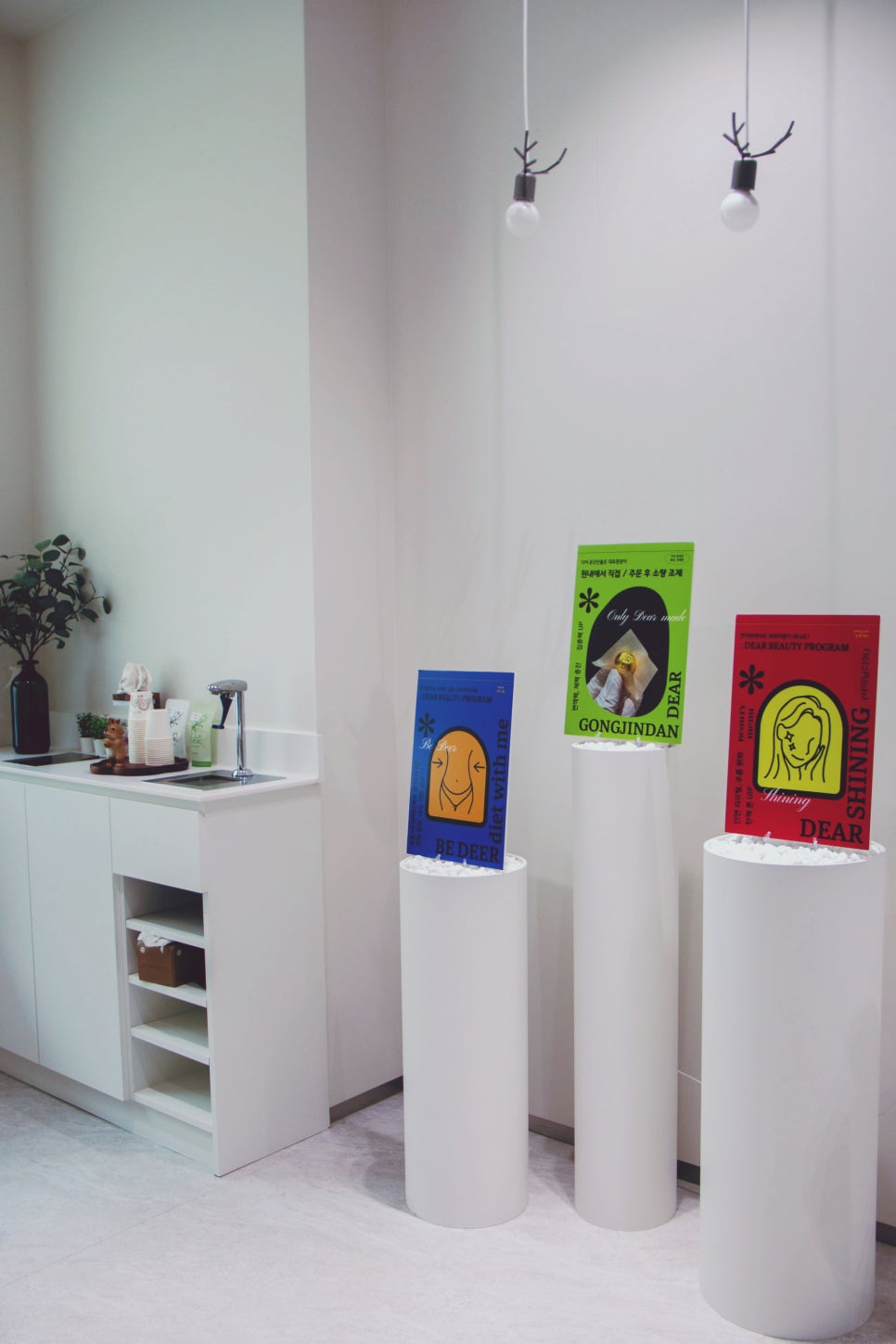
Bed and pillow covers are single-use, and sponges used for the electrical treatment are washed and disinfected after every patient. Staff are asked to keep noise down while patients rest with needles in.
COMPARE
Facial acupuncture or Botox: how do they differ?
Both act on facial muscles, which is why they are often compared. They work in opposite directions.
| Facial acupuncture | Botox (botulinum toxin) | |
|---|---|---|
| What goes in | Fine needles, removed after the session. The acupuncture itself leaves nothing in the skin. | A toxin injected into chosen muscles, where it stays active for months. |
| How it works | Stimulates circulation and relaxes tense muscles, so both sides can work more evenly. | Blocks the nerve signal to a muscle, so that muscle moves less. |
| Usually chosen for | Dull tone, loss of firmness, asymmetry from uneven muscle use | Frown lines, forehead lines, crow’s feet, a square jaw |
| How often | At DEAR, usually one to three visits a week at the start | Repeated as the effect gradually fades |
| What you may notice after | Occasionally a light bruise or a drop of blood at a needle site | Usually little; less often a drooping eyelid, asymmetry or headache |
If one deep frown line is the whole problem, Botox addresses it more directly. If the concern is how the whole face looks, dull, tired or slightly lopsided, the muscles and circulation are where I would start. The two are not mutually exclusive, and some of my patients come to me after Botox.
EVIDENCE
What does the research say?
Facial elasticity, measured by Moiré topography, improved after treatment. The most common side effect was mild bruising.
No control group.
At week 7, 63% of the acupuncture group had softer frown lines at rest, clearly more than the untreated group, and most of the change remained at week 12. Bruising occurred in 0.69% of sessions.
Compared with no treatment, not with sham needling.
Ten women received acupuncture around the masseter once a week for eight weeks. Participants also rated sagging, contour and asymmetry as improved.
Ten people, no control group.
Taken together, these studies point in the same direction, but they are small and short, and none follows people for years. A 2021 review of acupuncture safety across prospective studies found serious adverse events to be rare, about one per 10,000 patients, with most side effects being minor bleeding or soreness at the needle site. “Promising, gentle, and still under-studied” is the fairest summary I can give.
ASYMMETRY
What causes facial asymmetry, and what can acupuncture do?
Almost everyone’s face is slightly asymmetric. When the difference is structural, from how the facial bones grew, acupuncture will not change the bone. When it comes from how the muscles are used, it is often a different story: chewing on one side, sleeping on one side or face-down, long hours hunched over a phone or laptop, resting your chin on one hand, or a jaw joint that clicks and pulls to one side.
For muscle-driven asymmetry, I check which side works harder and where the tension sits, often around the masseter, the chewing muscle at the angle of the jaw, and place the needles accordingly. Treatment goes further when habits change with it: chew on both sides, notice when your hand goes to your chin, and sit so that your head is not held to one side.
She came in doubtful and left with a different view
A woman in her 30s · dull tone and loss of firmness
She found us while searching for skin care, and came half-doubting whether Korean medicine could do anything for her face.
After a consultation, she received electrical stimulation and facial acupuncture, adjusted to her skin.
She told me, smiling, that her view of treating the face with Korean medicine had changed completely.
Identifying details have been removed. This describes one patient’s course; the same results will not appear in everyone.
AFTER BOTOX
What if my face became asymmetric after Botox?
Some patients come to me weeks after Botox: one eyebrow sits higher, a smile pulls to one side, the area still feels swollen or tight. They are often told it will settle as the toxin wears off, and much of the time it does. Waiting months with a face that doesn’t feel like your own is hard.
Acupuncture does not remove the toxin. What I aim for is easing tightness and swelling around the treated area and helping the muscles that still move to work more evenly while the effect fades.
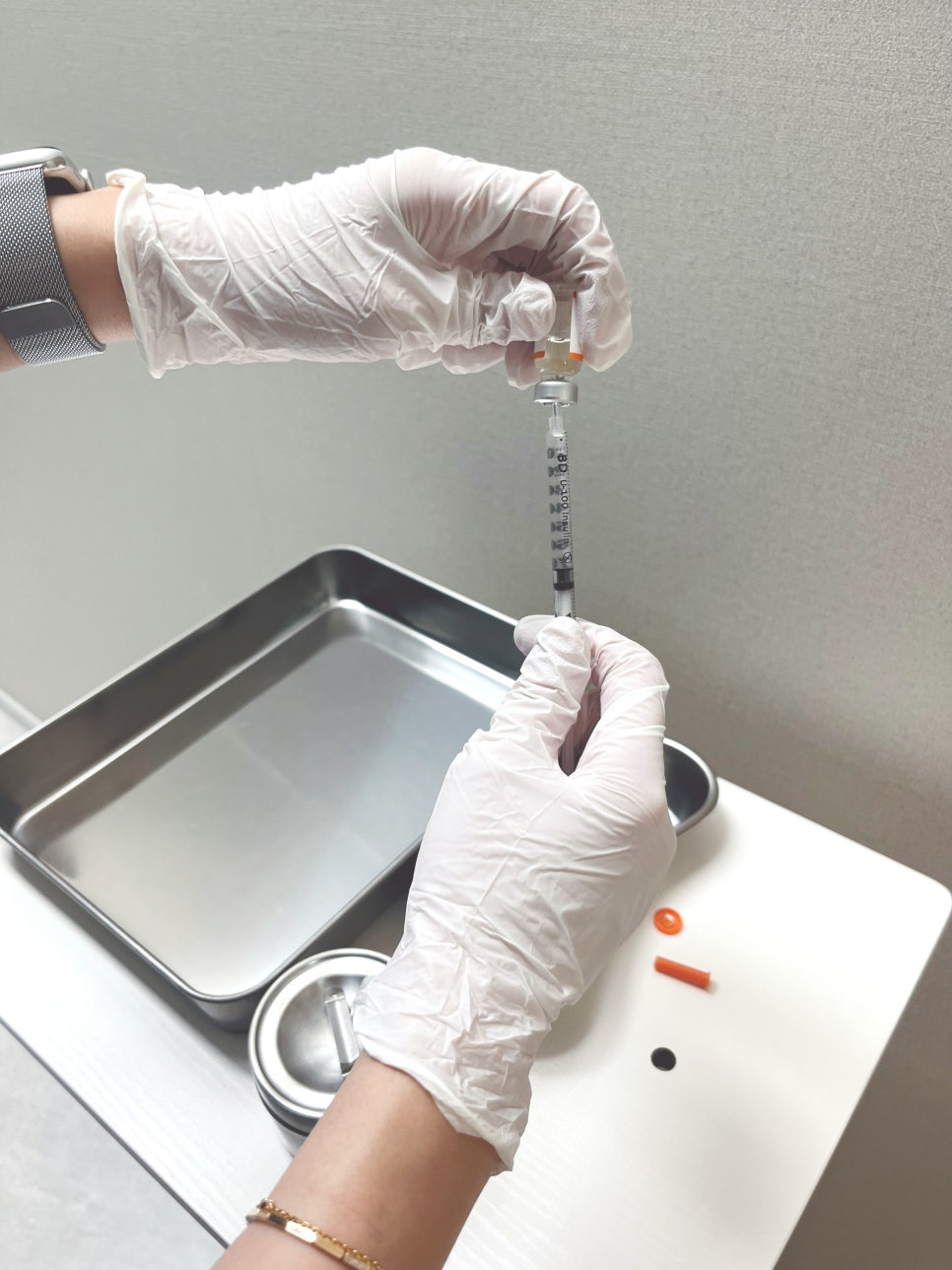
The same product name can mean a different brand, dose and injection point, so I begin by asking when and where you were injected, how long this has lasted, and what happens when you eat, talk and sleep. Depending on what I find, I may add pharmacopuncture with an anti-inflammatory herbal solution for swelling, or a short herbal prescription if swelling, poor sleep from stress or a sense of heat in the face come with it.
TRAVEL & BIG DAYS
Planning around a trip, a wedding or a photoshoot?
A small bruise is possible, as the studies above show, so it is worth leaving room for one before an event. Tell me your dates at the consultation; I will plan the sessions around them and say so if the timing is too tight for what you want.
PRICE
What about the price?
The fee depends on what we decide together, so it is explained during your consultation, before any treatment. It is the same for Korean and international patients.
If you would like to know whether your face would respond, the answer starts with someone looking at how your muscles move. I will see you myself, in English, and we will decide together.
DEAR KOREAN MEDICINE CLINIC
About a 10-minute walk from Gangnam Station Exit 5 · +82-2-3486-1777
- Mon·Tue·Wed·Fri10:00–20:00
- Lunch13:00–14:00
- Thu14:00–20:00
- Sat10:00–15:00
- SunClosed
FAQ
Frequently asked questions
Does facial acupuncture hurt?
You will feel something, because facial skin is thin. It is far less uncomfortable than needles in the soles of the feet or the toes, and the needles used on the face differ in length, thickness and material from those used on the back. Sensitivity varies from person to person.
Can I have facial acupuncture after Botox?
Yes, and some patients come to us because of asymmetry or swelling after Botox. Tell me when and where you were injected, and I will plan around it. If your eyelid droops or you see double, contact the doctor who injected you first.
How many sessions will I need?
It depends on your goal and your face. For tone, firmness or asymmetry, I usually suggest one to three visits a week at the start, and we adjust the plan as we go.
Can I have my consultation in English?
Yes. Director Minji Kim consults directly in English, Japanese and Chinese, so you won’t need an interpreter.
How do I book?
Appointments are given priority, so we recommend booking before your visit. The most reliable way is an Instagram DM to @dearhani__, or you can call us at +82-2-3486-1777.
Sources
- Yun Y, et al. Effect of facial cosmetic acupuncture on facial elasticity: an open-label, single-arm pilot study. Evid Based Complement Alternat Med. 2013;2013:424313.
- Haghir H, et al. Is Acupuncture Effective in Diminishing Frown Lines? Evidence From a Randomized Controlled Trial. J Cosmet Dermatol. 2025;24(4):e70144.
- Ogino M, et al. Effect of Facial Acupuncture Stimulation: MRI-Based Masseter Muscle Volume Analysis and Questionnaire Evaluation. Aesthet Surg J Open Forum. 2024;6:ojae109.
- Bäumler P, et al. Acupuncture-related adverse events: systematic review and meta-analyses of prospective clinical studies. BMJ Open. 2021;11(9):e045961.
- Freixo S, Camões-Barbosa A. Management of Complications Following Botulinum Toxin Facial Injections: A Narrative Review. Cureus. 2026;18(1):e100675.
This article provides general health information and does not replace an individual diagnosis or treatment. Suitability, response and side effects depend on your face, your health and the method used.